
Il Rinascimento fiammingo su carta: la mostra al British Museum
, Scritto da Vincenzo Sebastiano
Mostra Early Netherlandish drawings
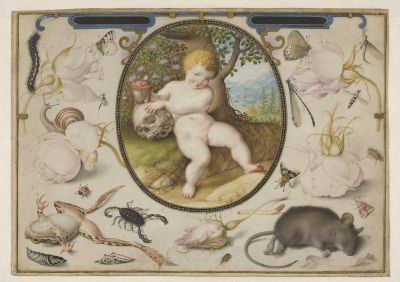
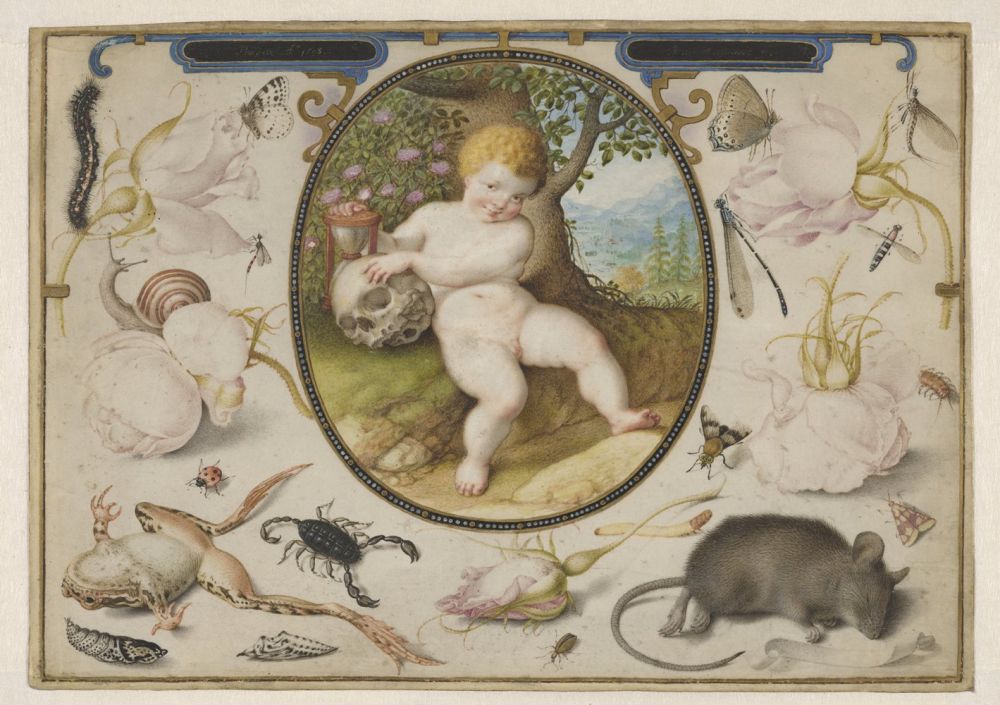
Allegory on Life and Death, Joris Hoefnagel and Jacob Hoefnagel, 1598 © The Trustees of the British Museum

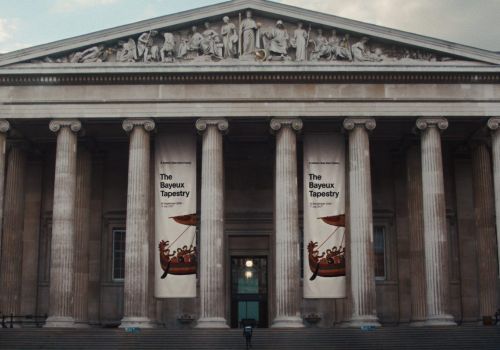
Al British Museum, la mostra gratuita che racconta la bellezza, la precisione e la complessità dei disegni delle collezioni fiamminghe del XVI secolo. Fino al 20 settembre 2026.


Tra il XV e il XVI secolo, i Paesi Bassi furono un centro nevralgico di produzione e innovazione artistica. Si trattò di un periodo di profonda trasformazione per il disegno fiammingo, che si evolse passando dalla produzione di semplici schizzi e studi preparatori a vere e proprie opere d’arte.

I primi disegni fiamminghi sono estremamente rari, poiché venivano realizzati come prove, bozze e schizzi funzionali per oggetti o opere di bottega e, in generale, non venivano conservati. Diversamente da quanto accadde in Italia o nei paesi di lingua tedesca, dove il gusto per il collezionismo di disegni nel XVI secolo garantì la sopravvivenza di un numero maggiore di opere di questo periodo.

Il disegno era fondamentale per la progettazione e la realizzazione di opere d’arte come arazzi, dipinti, vetrate e stampe, e gli esempi giunti fino a noi aiutano a vedere e comprendere con maggiore chiarezza la creatività, la bravura, ma anche la stretta collaborazione esistente tra gli artisti fiamminghi.
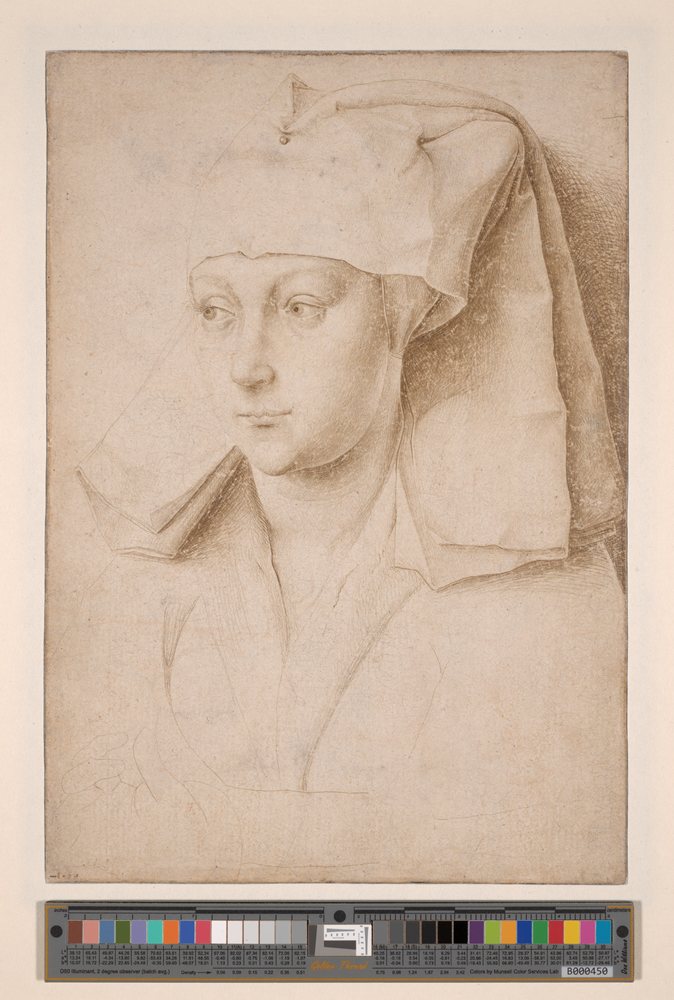
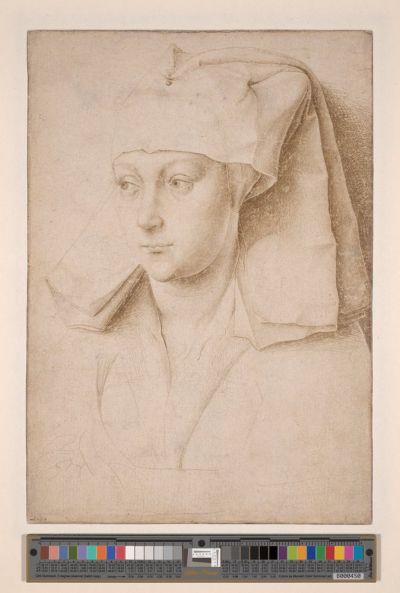
Portrait of an unknown young woman, Rogier van der Weyden, 1435-1440 (c.) © The Trustees of the British Museum
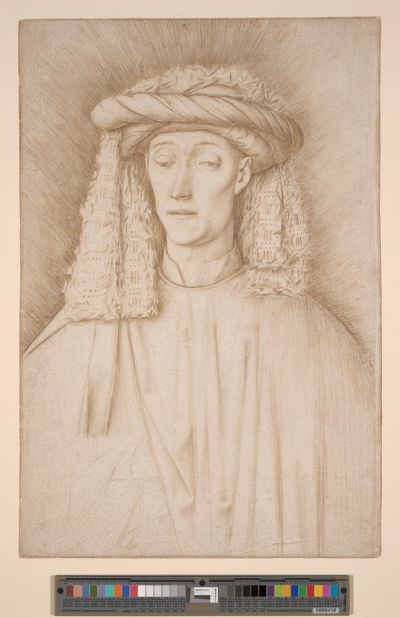
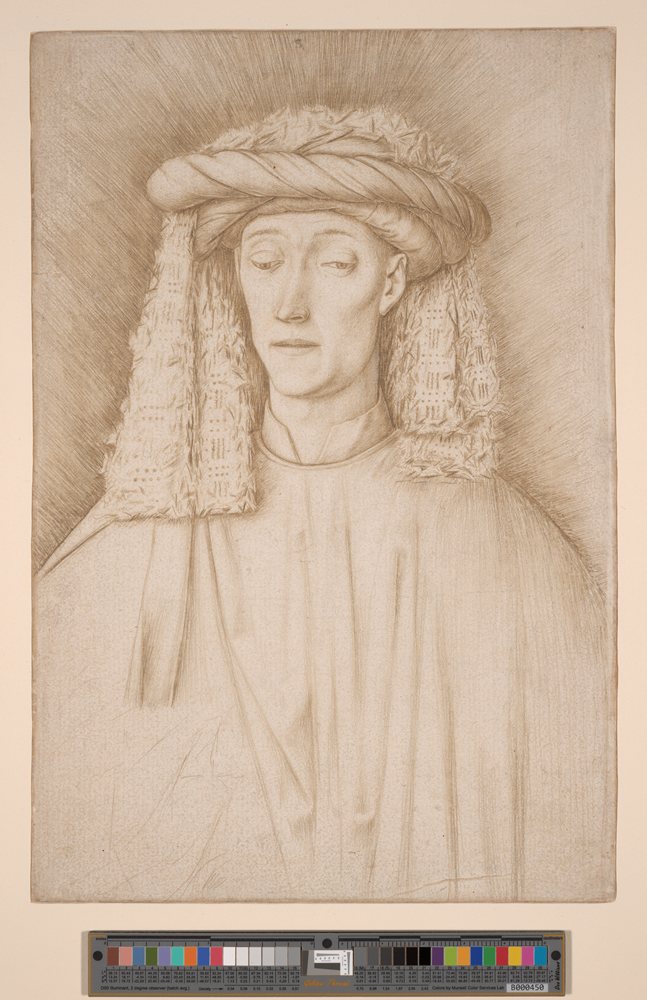
Portrait of an unknown man © The Trustees of the British Museum
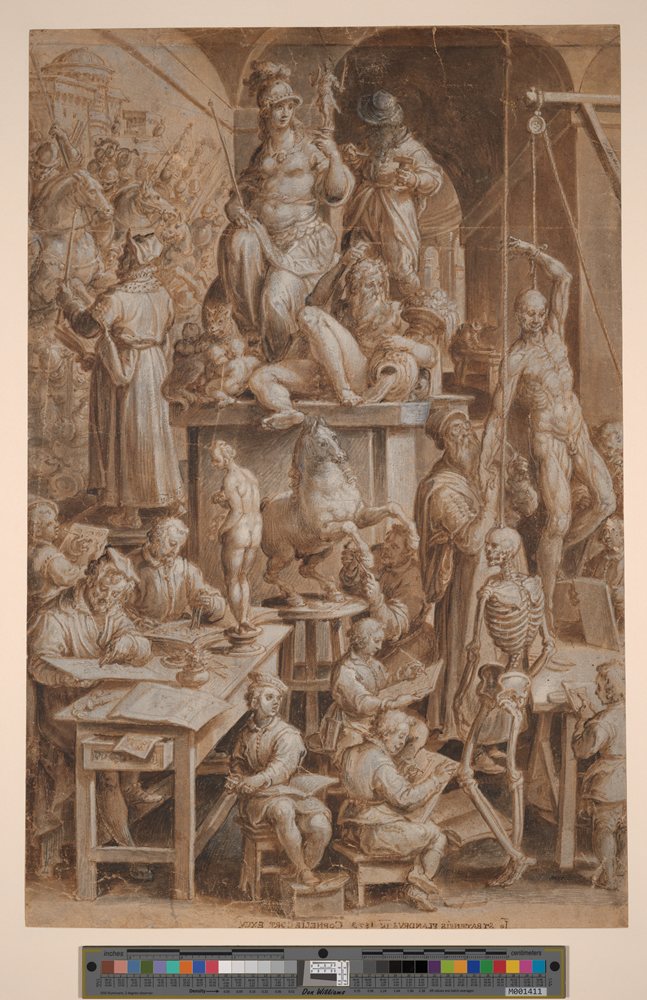
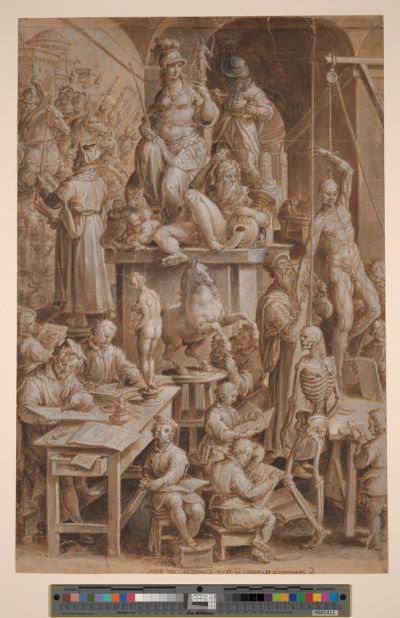
Design for the print 'The Practice of the Visual Arts', Jan van der Straet, 1573 © The Trustees of the British Museum
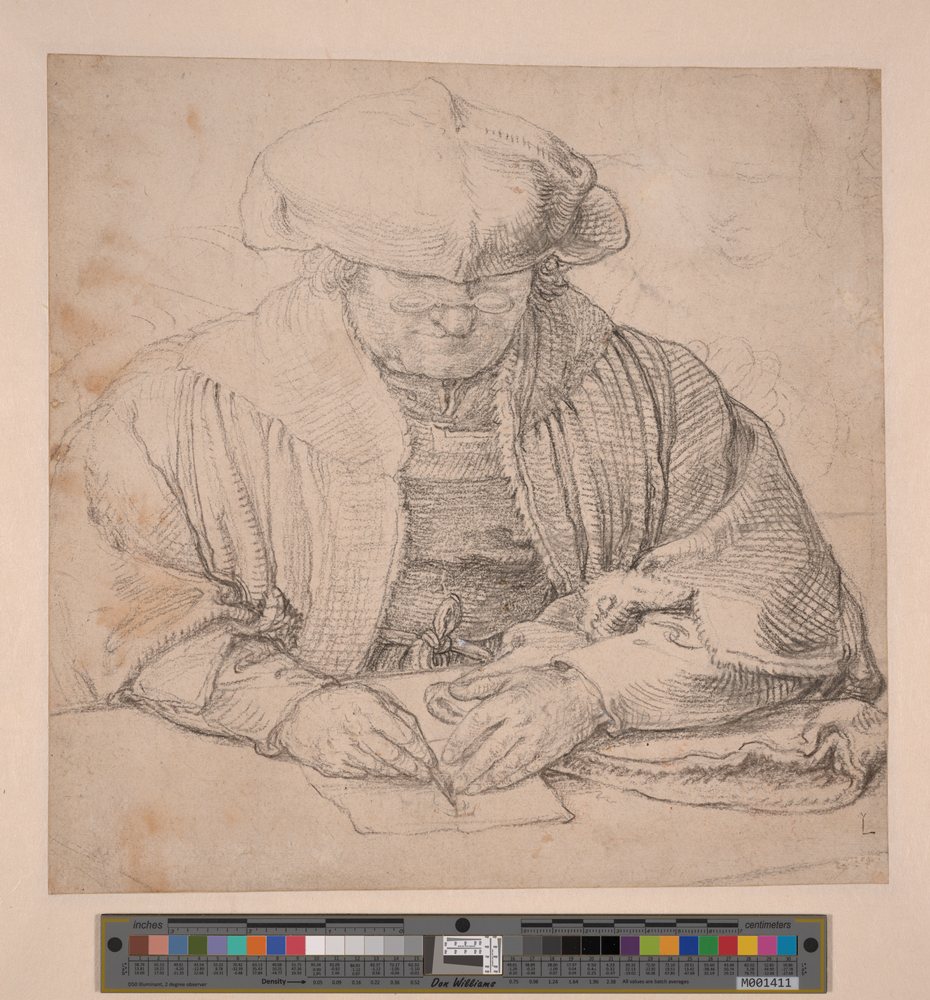
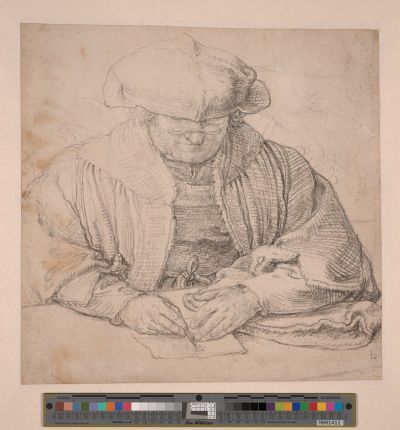
An old man drawing, Lucas van Leyden, 1512 (c.) © The Trustees of the British Museum
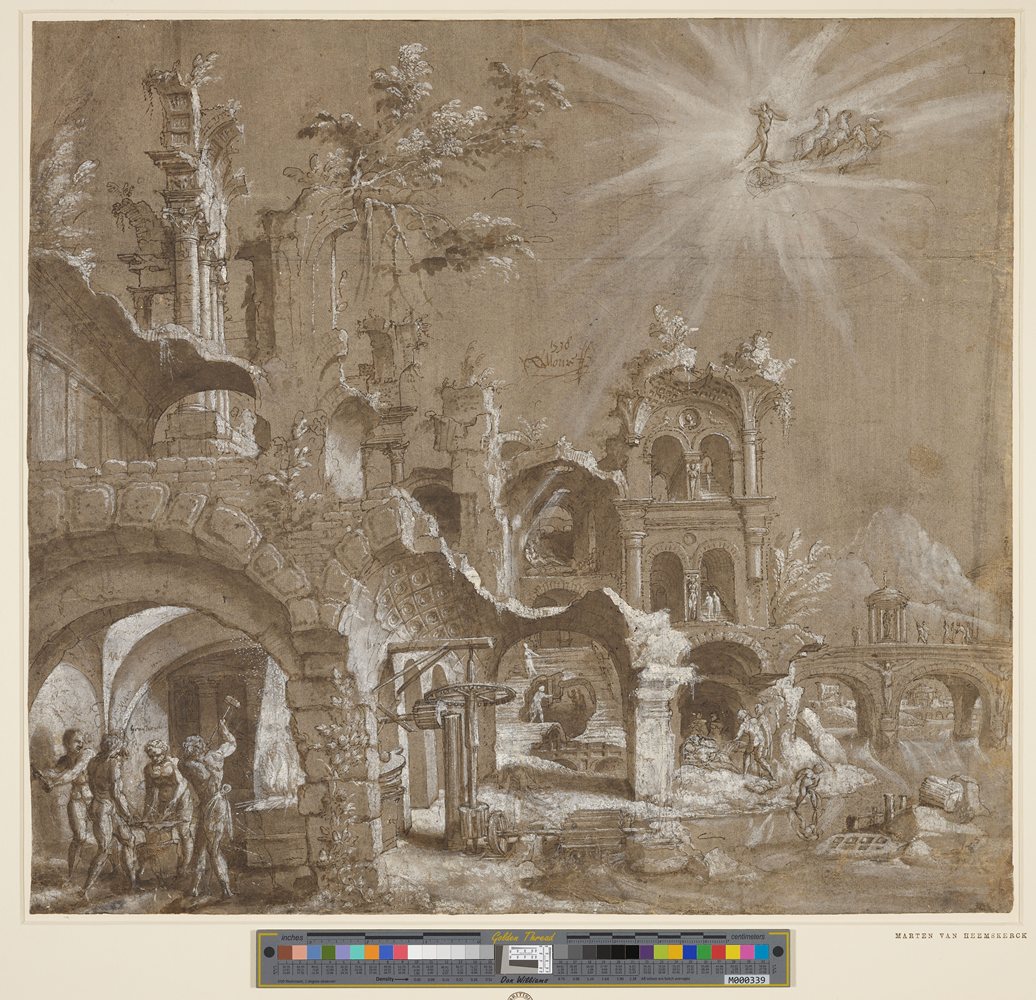
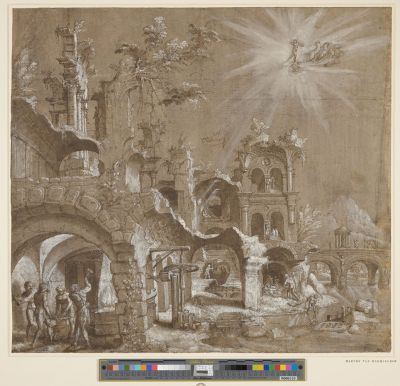
Ruins with the Vulcan's forge beneath an arch, Maarten van Heemskerck, 1538 © The Trustees of the British Museum
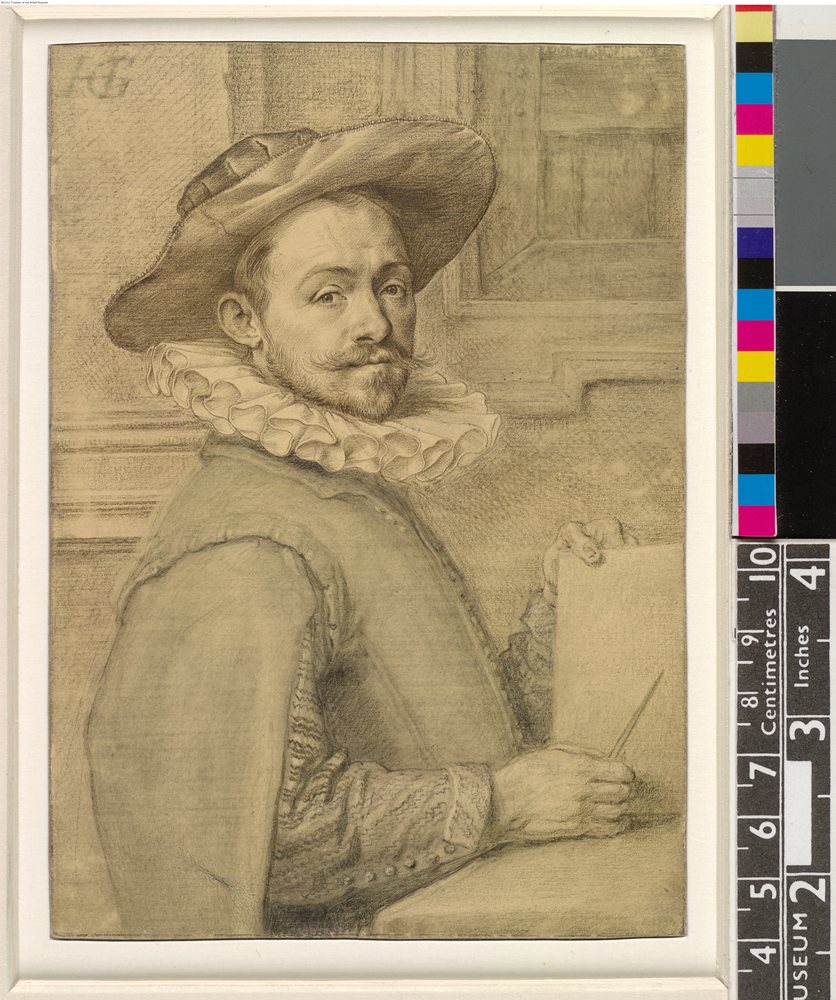
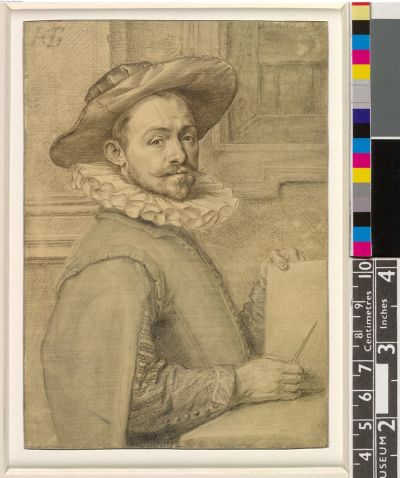
Self-portrait, Hendrik Goltzius, 1589 (c.) © The Trustees of the British Museum
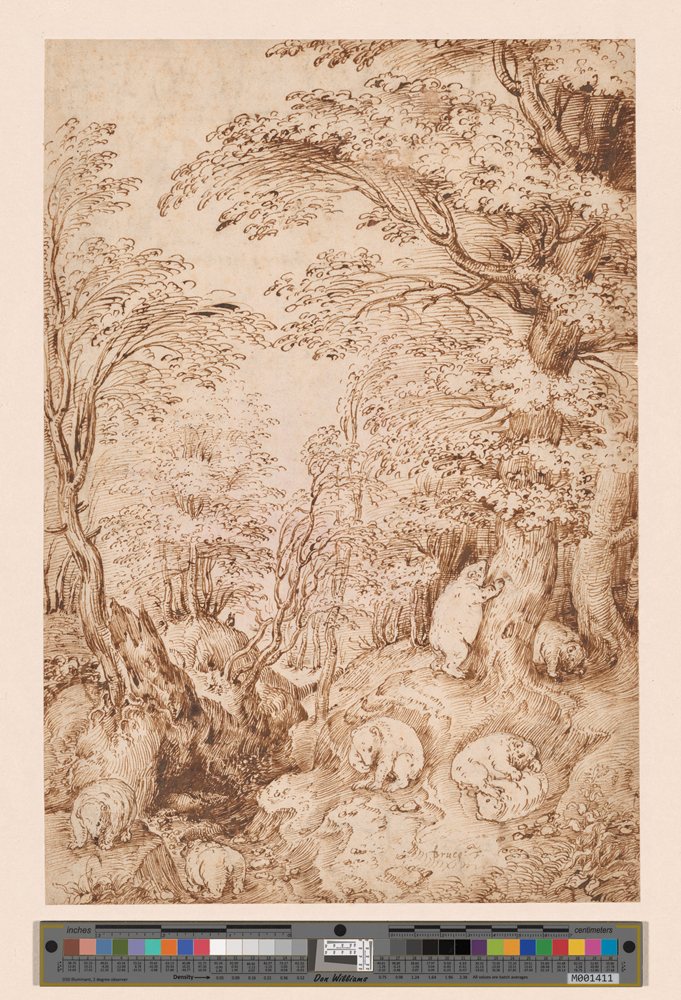
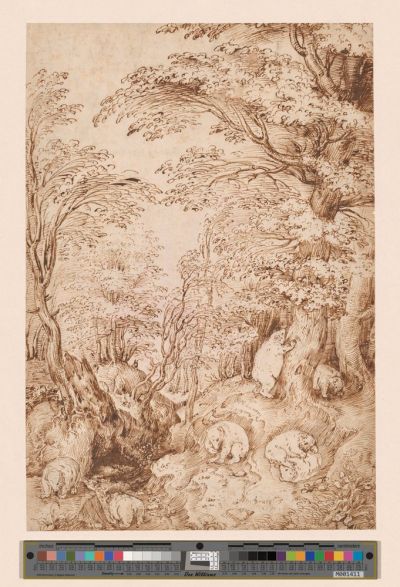
Woodland scene, Pieter Bruegel the Elder, 1540-1569 © The Trustees of the British Museum
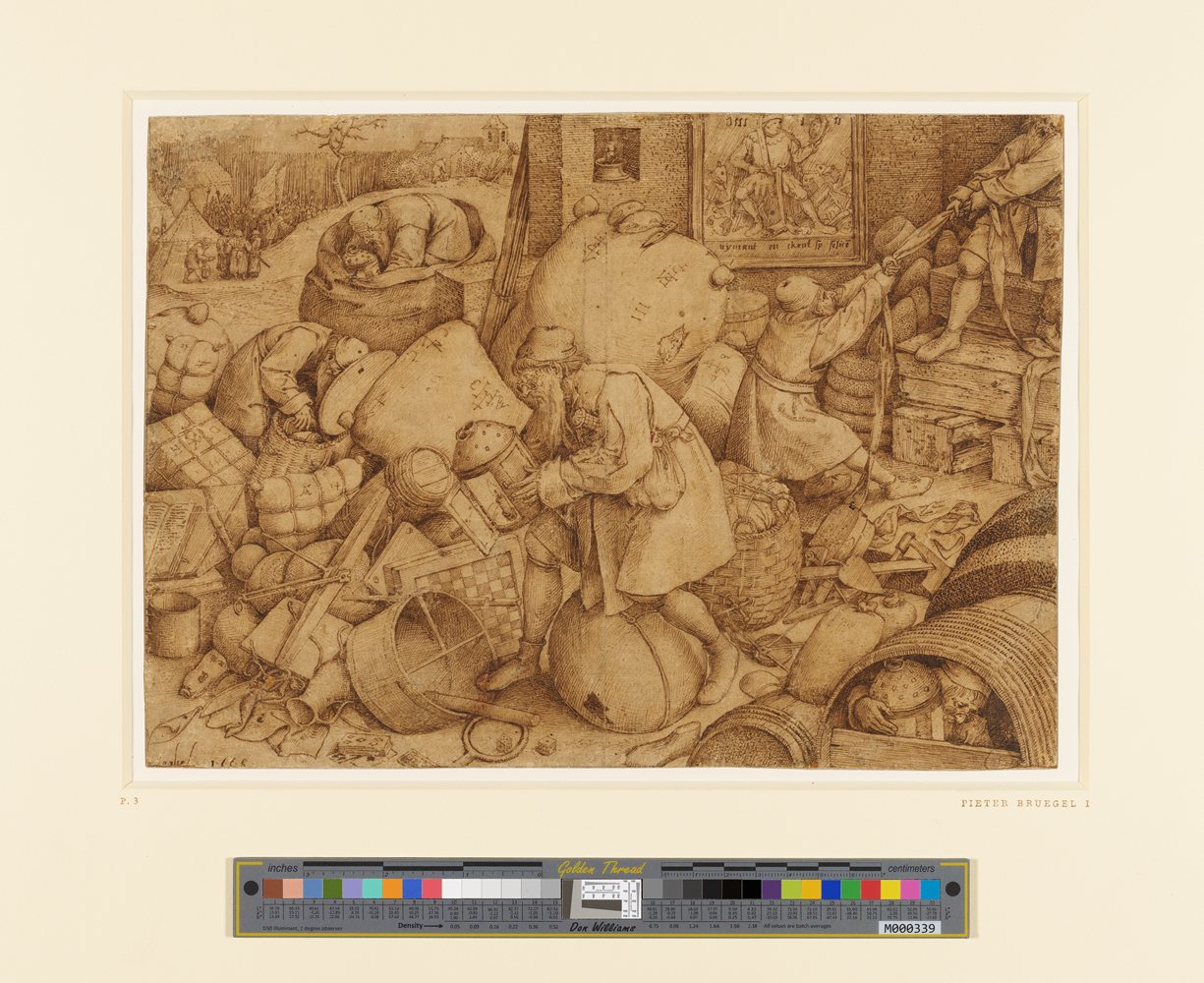
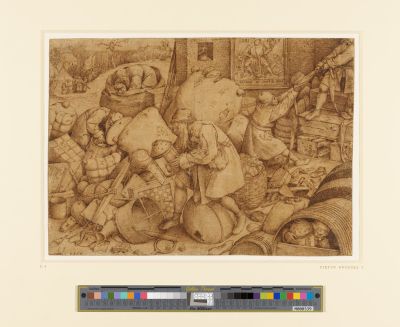
'Elck' or 'Everyman' study for a print, Pieter Bruegel the Elder, 1558 © The Trustees of the British Museum
Portrait of an unknown young woman, Rogier van der Weyden, 1435-1440 (c.)
Portrait of an unknown young woman, Rogier van der Weyden, 1435-1440 (c.) © The Trustees of the British Museum
Portrait of an unknown man
Portrait of an unknown man © The Trustees of the British Museum
Design for the print 'The Practice of the Visual Arts', Jan van der Straet, 1573
Design for the print 'The Practice of the Visual Arts', Jan van der Straet, 1573 © The Trustees of the British Museum
An old man drawing, Lucas van Leyden, 1512 (c.)
An old man drawing, Lucas van Leyden, 1512 (c.) © The Trustees of the British Museum
Ruins with the Vulcan's forge beneath an arch, Maarten van Heemskerck, 1538
Ruins with the Vulcan's forge beneath an arch, Maarten van Heemskerck, 1538 © The Trustees of the British Museum
Self-portrait, Hendrik Goltzius, 1589
Self-portrait, Hendrik Goltzius, 1589 (c.) © The Trustees of the British Museum
Woodland scene, Pieter Bruegel the Elder, 1540-1569
Woodland scene, Pieter Bruegel the Elder, 1540-1569 © The Trustees of the British Museum
'Elck' or 'Everyman' study for a print, Pieter Bruegel the Elder, 1558
'Elck' or 'Everyman' study for a print, Pieter Bruegel the Elder, 1558 © The Trustees of the British Museum

    La mostra, organizzata dal British Museum in collaborazione con l’International Music and Art Foundation, si basa su un progetto di ricerca del British Museum e mette in luce recenti scoperte derivanti dalla combinazione di nuove competenze curatoriali e di avanzate tecniche di conservazione e analisi scientifica. Nuove ricerche su disegni precedentemente associati solo a Rogier van der Weyden e alla sua cerchia, ad esempio, rivelano che essi provengono direttamente dalla bottega di Rogier e devono essere stati realizzati dai suoi allievi come parte della loro formazione.

    Con circa 120 opere di pittori e incisori di primo piano come Rogier van der Weyden, Lucas van Leyden, Pieter Bruegel il Vecchio e Hendrick Goltzius, la mostra ripercorre lo sviluppo del disegno nei Paesi Bassi (gli attuali Belgio, Lussemburgo e Paesi Bassi) prima del 1600. La maggior parte delle opere esposte proviene dall’eccezionale e ricchissima collezione permanente del British Museum e offre un’opportunità unica per presentare al grande pubblico un quadro completo del disegno di questa ricca regione europea.
    Dal: 16 Aprile 2026
    Fino al: 20 Settembre 2026
    La mkostra è aperta dal Lunedì alla Domenica dalle 10.00 alle 17.00 (Venerdì fino alle 20.30)
    La mostra è gratuita
    Articolo scritto da
    Vincenzo Sebastiano
    Giornalista, storico dell'arte, architetto